
Our Blog
Latest tips, stories, and news from Black Princess & White Prince
June 2026 • 4 min read
Why Some Cats Eat Less During Boarding (And Why It Is Usually Normal)
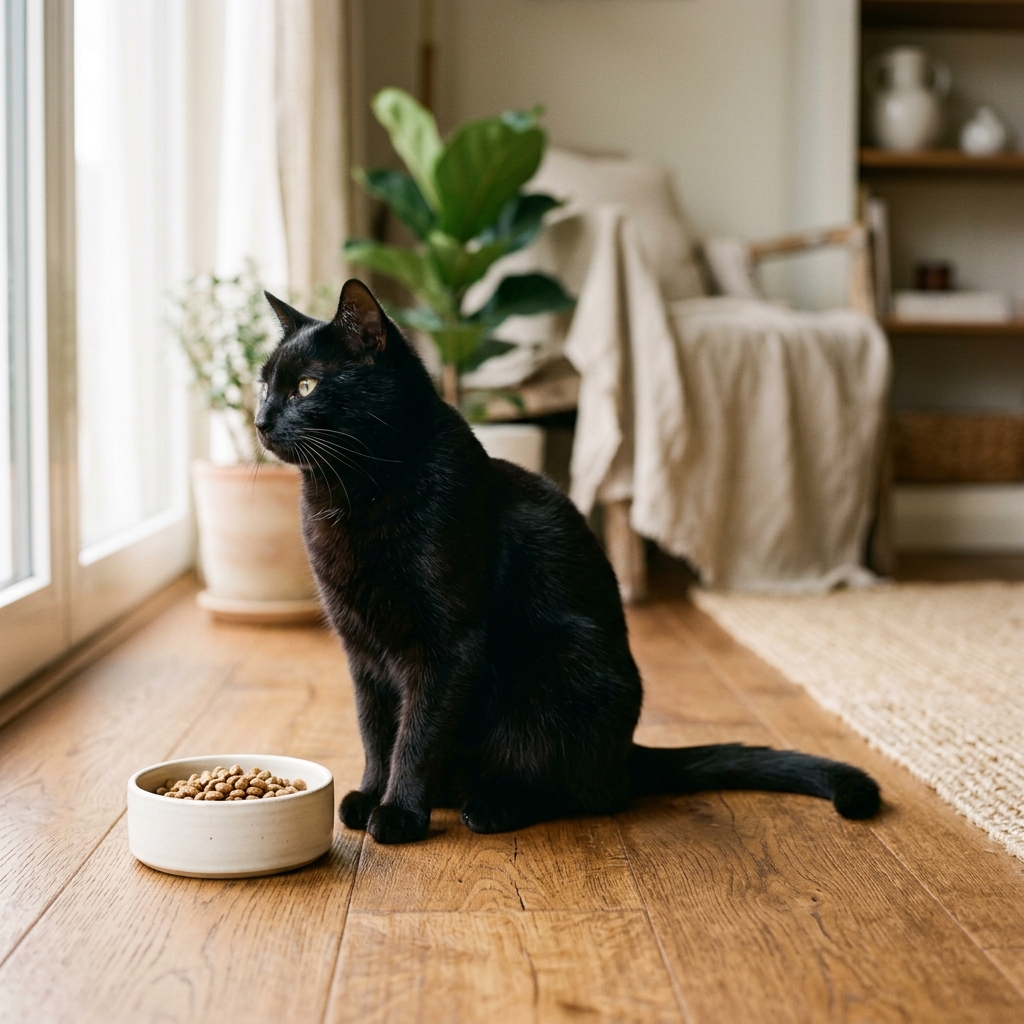
As cat owners, we are naturally attuned to our pets' daily habits. We know their favorite sleeping spots, their playtime routines, and exactly how they ask for breakfast. Because feeding time is such a core part of our bond, noticing that a cat is eating less than usual can immediately trigger worry.
When a cat stays in a new environment—even a quiet, cage-free home—one of the most common adjustments they face is a temporary change in their appetite. If a cat eats very little or skips their first meal during their stay, it is easy to assume they are deeply unhappy or unwell. However, in the majority of cases, this is a completely normal, biological response to a new environment.
Understanding why this happens, what to expect during a stay, and how a calmer setting supports this transition can provide peace of mind and help you feel confident while you are away.
The Biology of Feline Stress: Why Appetite Drops
To understand why a cat might turn their nose up at their favorite food in a new place, we have to look at their natural biology and instincts. Cats are highly territorial animals. In their own home, they spend years leaving behind invisible scent markers. These markers act as a constant safety signal, telling the cat’s nervous system that they are secure and in control of their territory.
When a cat enters a new space, those safety signals are temporarily missing. Even in a quiet, warm home, the environment smells unfamiliar.
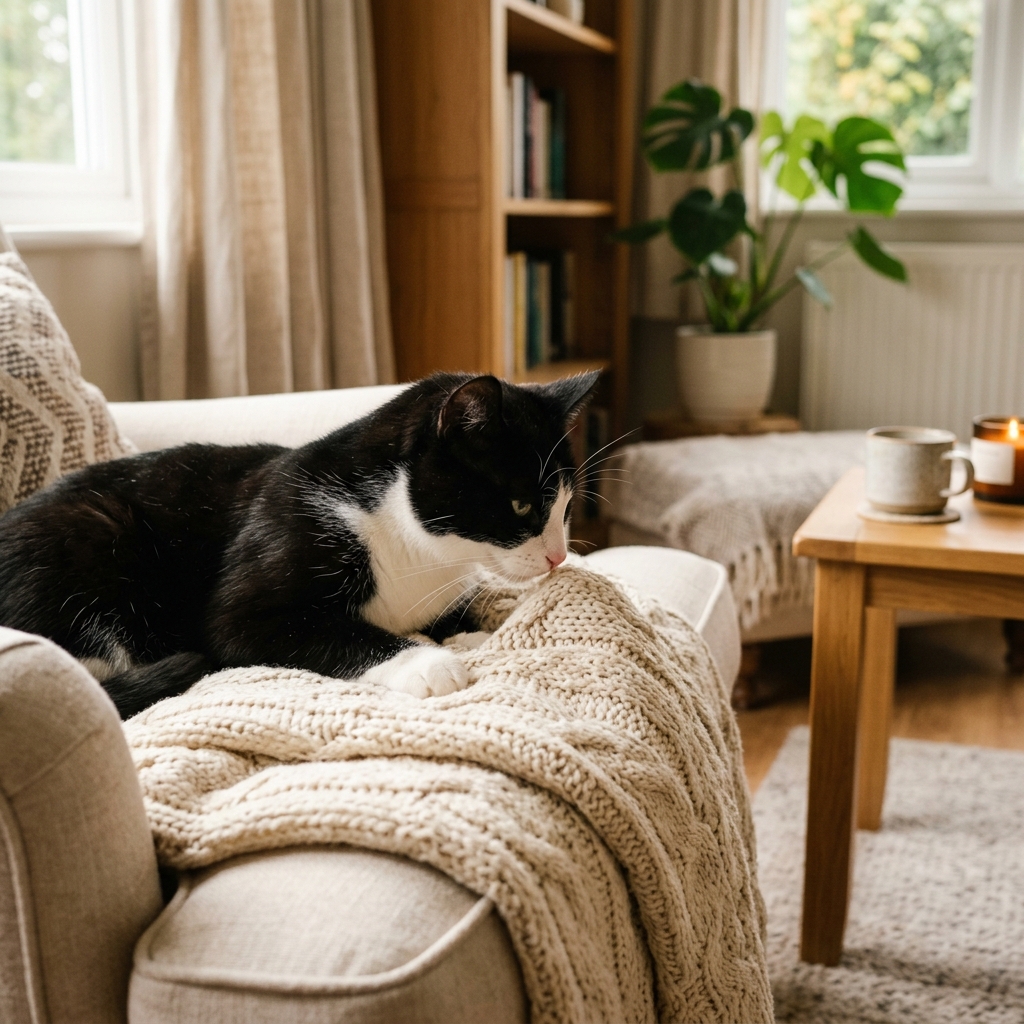
In nature, entering an unfamiliar territory requires a cat to be highly alert. This heightened state of awareness triggers a minor, natural alertness response. Adrenaline is released, prioritizing sensory scanning over digestion. Until they have had time to explore, rub their cheeks on a few corners, and establish that the new space is safe, their instincts tell them that it is not yet time to relax and eat.
The Natural Timeline of Adaptation: What to Expect
Every cat is unique, but most follow a very predictable pattern as they acclimate. Knowing this timeline can help you understand what is normal and when they are simply transitioning.
The First Day: On the first day of a stay, many cats choose to find a cozy hiding spot, such as under a bed, in a quiet corner, or inside their open carrier. This is a natural way for them to process their new surroundings. During this phase, it is common for them to ignore their food bowl completely or only take a few tiny kibbles. Their focus is on watching, listening, and acclimating.
The Second Night: As the house grows quiet and the lights go down on the second night, a cat's natural nocturnal confidence begins to take over. They feel safer exploring when the household is asleep. It is very common to find that the food bowl, which went untouched all day, was completely finished overnight.
Settling into the Routine: After a short period, the new smells become familiar, and the cat realizes that the daily rhythm of the home is safe and predictable. As their stress levels drop, their normal appetite naturally returns. They begin eating during the day and settling into their temporary routine.
How a Quiet, Home-Style Setting Helps
Many cats benefit from calm surroundings, familiar routines, and the opportunity to settle at their own pace. A quieter environment can make the adjustment period easier for some cats, particularly those who are naturally cautious or sensitive to change.
Here are some ways caretakers can support a cat's appetite in a temporary home-style setting:
- Familiar Scents and Bowls: Bringing a cat's normal food bowls, placement mats, and a small blanket or worn t-shirt that smells like home helps bridge the gap and signals that the food is safe to eat.
- Quiet Placement: Placing bowls in a quiet, private corner or close to their chosen hiding spot allows them to eat without feeling exposed or watched.
- Letting Them Set the Pace: Avoiding forced interaction or trying to coax a cat out of hiding to eat is crucial. Leaving the food nearby and letting them approach the bowl on their own terms prevents unnecessary stress.
- Observant Care: Paying close attention to each cat's eating and drinking habits helps ensure that any unusual behavior is noticed and shared.
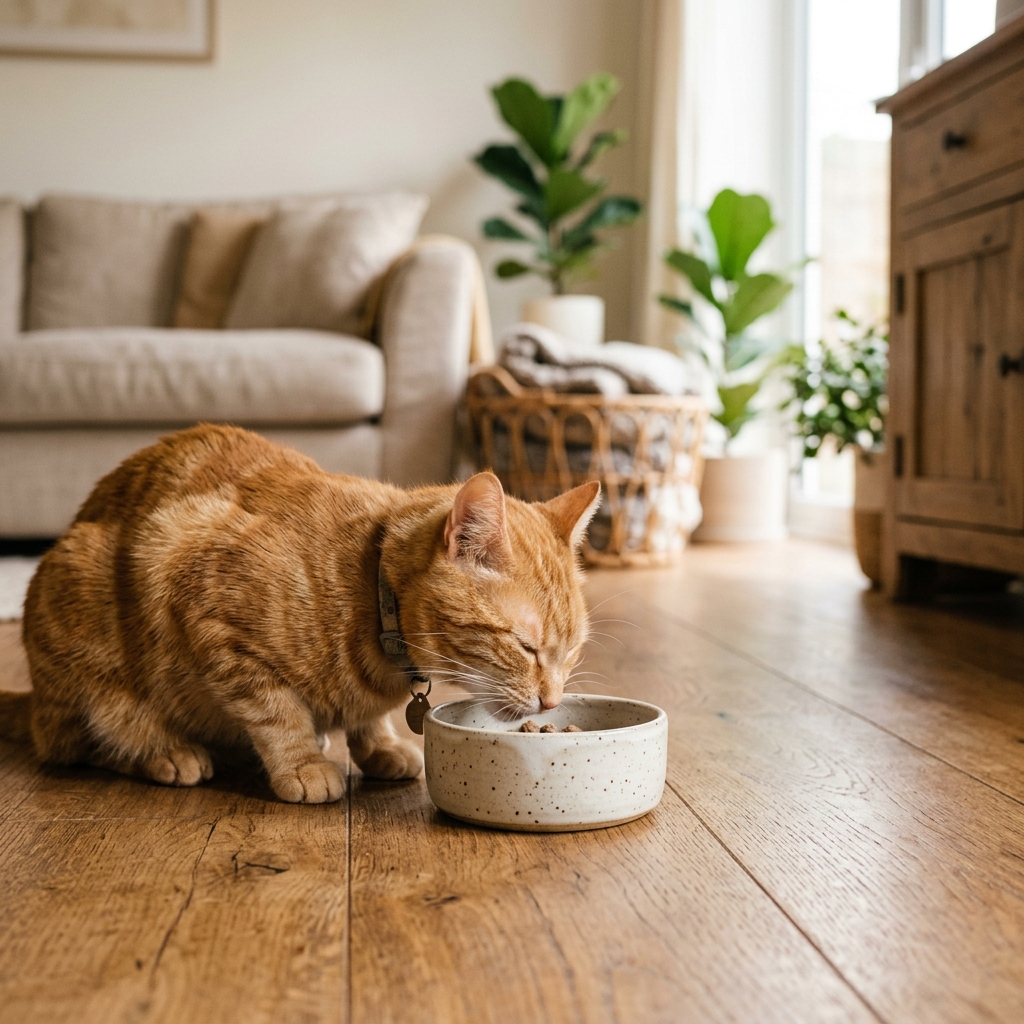
When Is It Time To Be Concerned?
While a temporary drop in appetite is common during the first day or two, every cat is monitored individually. If a cat continues refusing food, shows signs of illness, or behaves unusually, additional steps can be taken in consultation with the owner and, when necessary, a veterinarian.
The goal is never to force a cat to eat, but to support them patiently while ensuring their wellbeing remains protected.
Why Owners Often Worry More Than Cats
Many owners naturally worry about every meal, every update, and every change in behaviour during the first days of a stay. It is easy to feel anxious about leaving them, wondering if they are comfortable or if they are eating enough.
Interestingly, cats often adapt more quickly than expected. While some spend the first day quietly observing their surroundings, many begin exploring, eating, and settling into a routine once they realise they are safe.
This is one reason why regular communication and updates can be reassuring for owners during the adjustment period. Seeing a quick photo of your cat resting or smelling a toy is often all it takes to realize they are doing well.

Conclusion: Patience and Warmth are the Best Remedies
If you drop your cat off and learn that they haven't eaten their first meal, try not to worry. They are simply taking their time to assess their environment, build trust, and make sure their surroundings are safe.
By keeping their routine as familiar as possible, offering their usual food, and allowing them time to settle at their own pace, many cats gradually relax and return to their normal habits.
#catboarding #catcare #comfortablecats #cathealth
May 2026 • 5 min read
How to Help Your Cat Feel Safe During Boarding
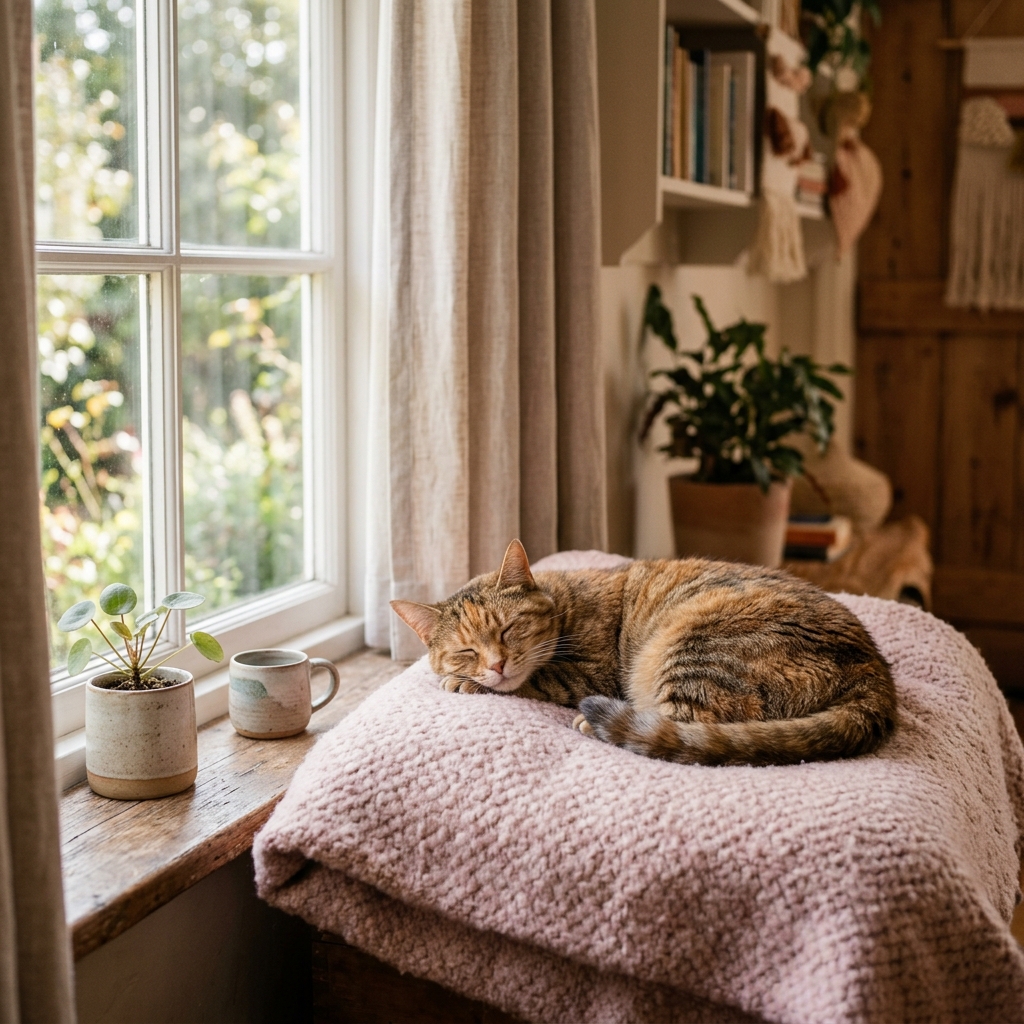
For our cats, safety is closely tied to familiarity—to the smells, sounds, and routines they know. In their own home, every corner smells familiar, and every household sound is one they recognize. When a cat transitions to a temporary environment, this familiar map disappears, and they have to get used to a new space. Helping your cat feel secure, relaxed, and settled during a stay is all about making this transition as gentle as possible.
Why Familiar Scents Help Cats Feel Safe
A cat’s sense of smell is incredibly keen and plays a vital role in how they understand the world. When they enter a new environment, they use their nose to explore and decide if a space is safe. In a temporary home setting, having familiar, comforting smells from home—like "scent anchors"—can be a wonderful comfort.
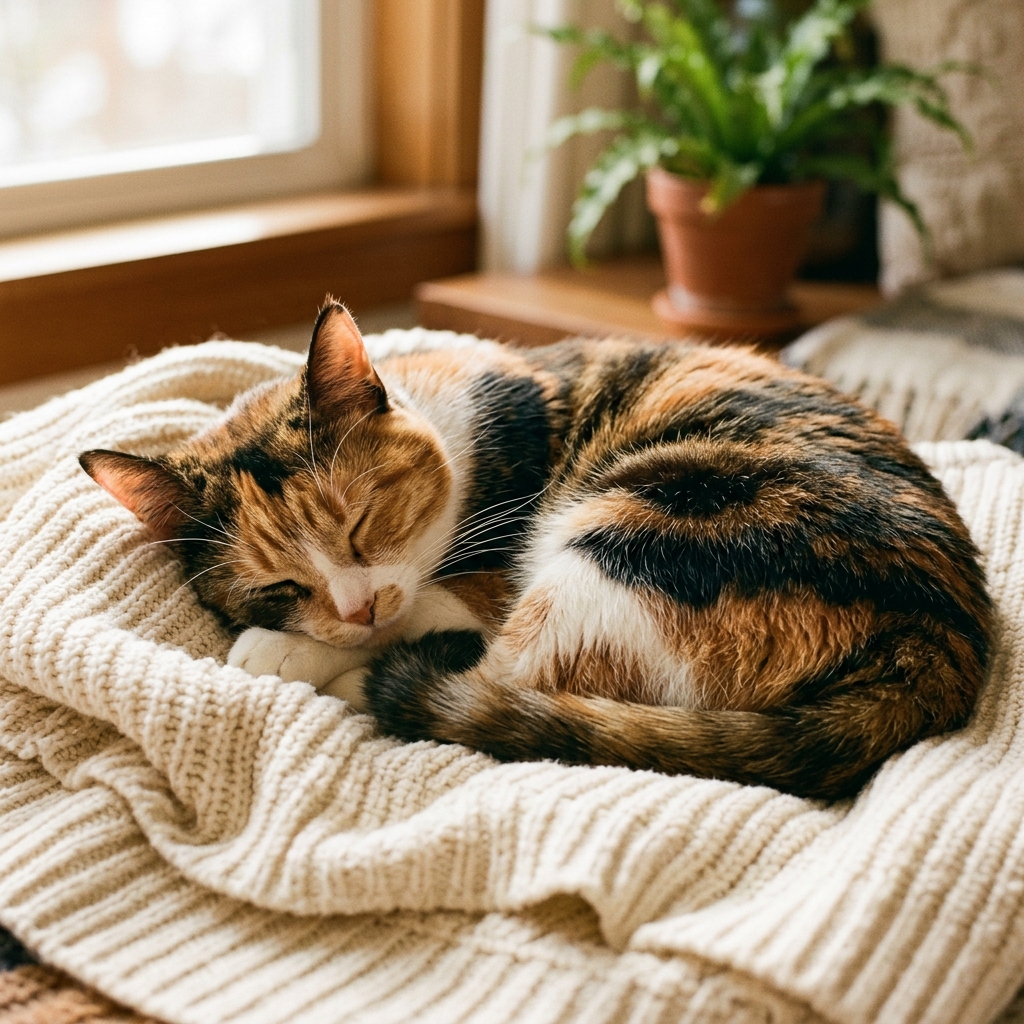
Caretakers can assist this natural settling process by placing unwashed fabric items, such as a worn cotton t-shirt, a pillowcase, or their favorite fleece blanket, in the cat's nesting area. Having these items nearby provides an immediate sense of home. This helps lower their stress, showing them that their family's presence is still close at hand.
Why Quiet Spaces Matter
Cats also have very sensitive hearing. They can pick up soft sounds and high pitches that humans cannot hear at all. In busy areas, sudden loud noises, shouting, or barking can startle a cat and make it harder for them to relax.
In contrast, domestic home spaces provide a gentle acoustic profile. Low speaking voices, the soft clatter of kitchen utensils, and predictable daily activities allow a cat to rest without being startled. This quiet atmosphere helps prevent sensory overload, making it much easier for them to emerge from their hiding spots and begin exploring at their own speed.
Four Simple Things You Can Do Before Boarding
Many successful boarding stays begin before the journey itself. A few small preparations at home can help your cat settle more comfortably into a temporary environment.
- Bring familiar bedding or a blanket that smells like home.
- Pack your cat's usual food whenever possible.
- Leave favorite toys and blankets unwashed so they retain familiar scents.
- Place the carrier out several days before travel so it feels familiar rather than stressful.
Small details can make a surprisingly big difference. Familiar smells, routines, and objects help many cats feel more confident and secure during the first days of their stay.
#catboarding #catpsychology #comfortablecats #catcare
May 2026 • 5 min read
Why Space, Choice, and Routine Matter to Cats
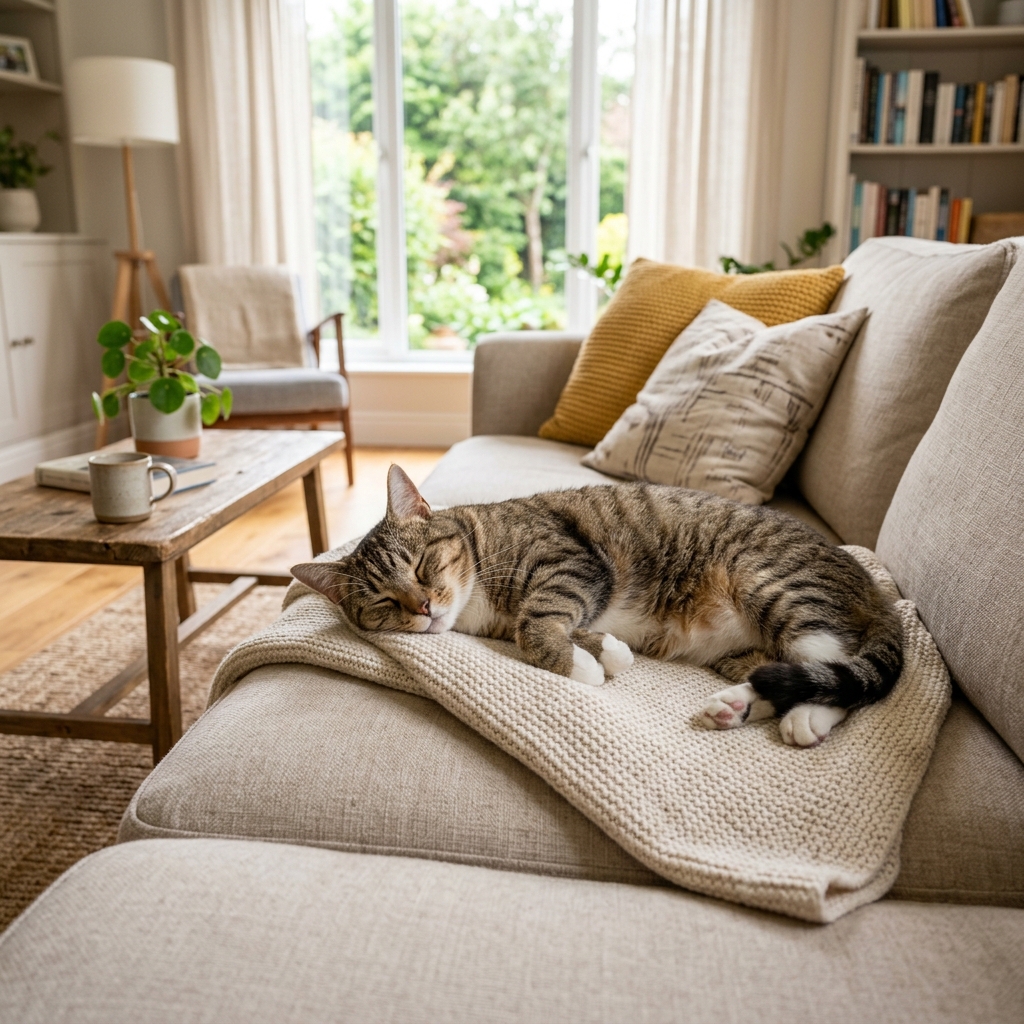
To help a cat feel secure, it helps to understand how they view their surroundings. Unlike dogs, who are naturally social pack animals, cats are independent creatures who feel safest when they are in control of their environment. Having the freedom to explore, find a high vantage point, choose where to rest, and follow a predictable routine are very important for their peace of mind.
Why Cats Need Room to Move and Observe
Cats are naturally active and curious, and they stay healthy and happy by moving around freely. Restricting their movement to a confined space or cage can limit their ability to stretch, jump, and climb. This confinement can lead to stiffness and increased stress.
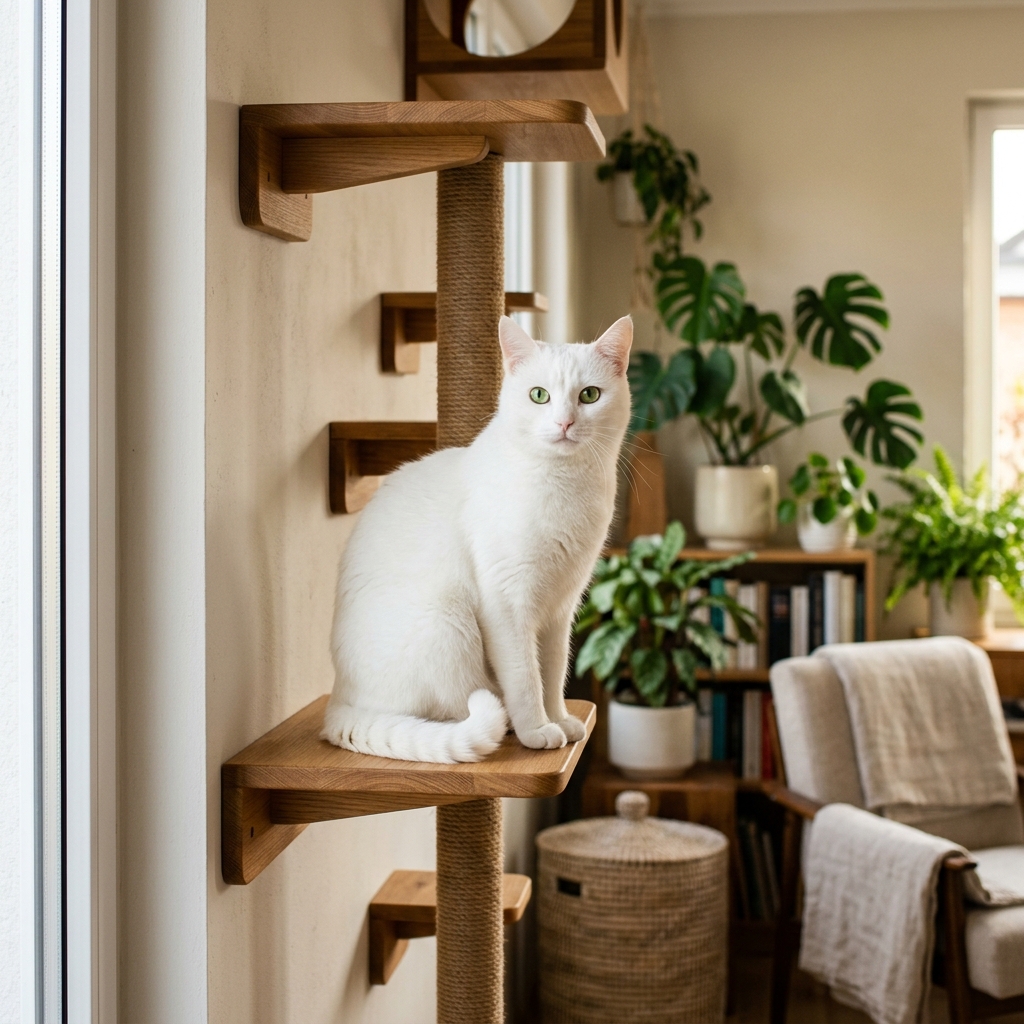
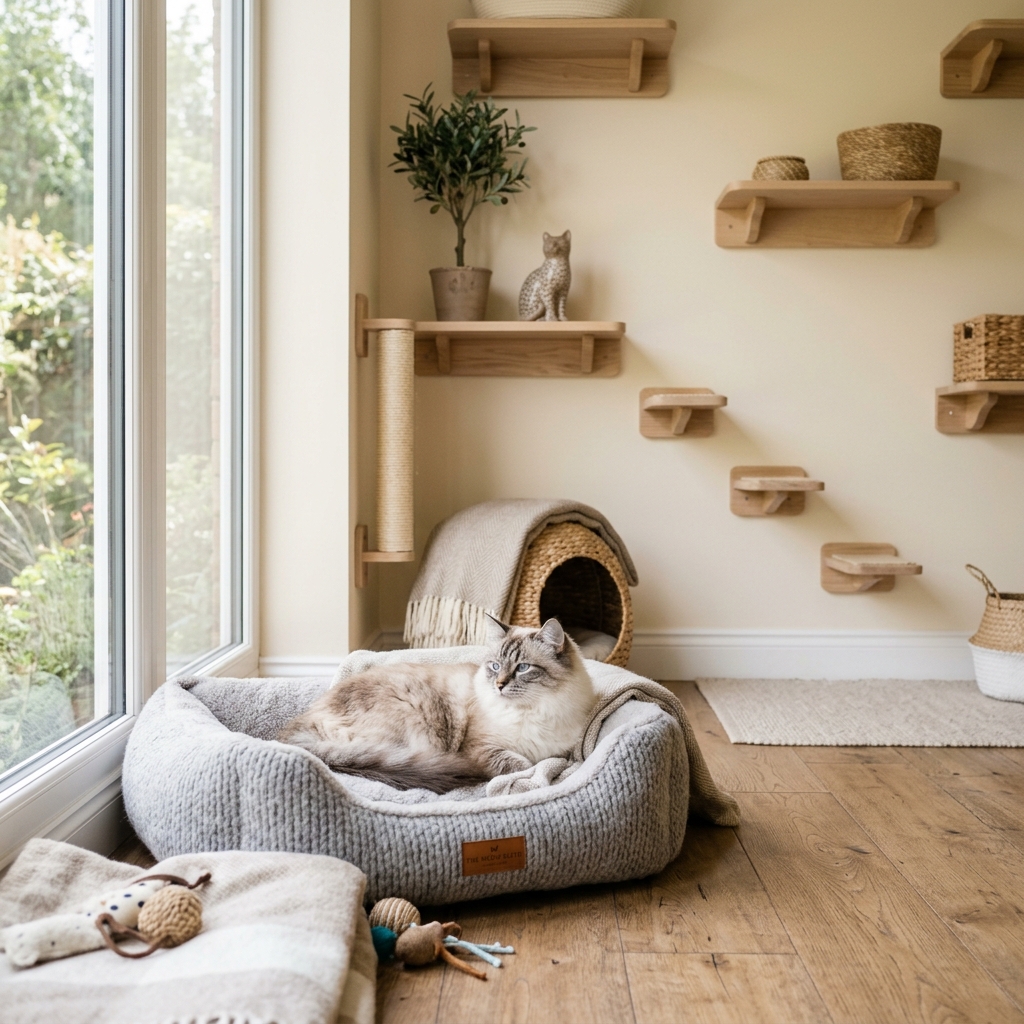
Access to vertical spaces—such as windowsills, shelves, and climbing trees—allows cats to survey their environment from a safe vantage point. Elevation is a natural safety valve for cats. Being high up allows them to observe the room, feel secure from any unexpected activity below, and rest in peace.
Why Choice Helps Cats Feel More Comfortable
Having options, or the freedom to make their own choices, is a wonderful way to help a cat feel at ease. When a cat can decide where to sleep (a sunny spot, a quiet corner, or a cozy blanket), they feel a sense of comfort and control over their environment. This choice helps them settle in naturally.
If a cat is feeling cautious, they can choose to retreat to a quiet, enclosed space. As they become more confident, they can choose to explore, play, or seek out companionship. In a domestic home environment, these options are naturally available, allowing each cat to manage their own comfort levels at their own pace.
Why Routine Matters
Cats are creatures of habit, and having a daily routine is very comforting to them. They have natural daily rhythms for sleeping, grooming, playing, and eating. When they are in a new place, keeping their usual schedule helps them feel that their environment is stable and familiar.
Feeding them at their normal times, keeping their favorite resting spots quiet, and playing with them at familiar times can make a big difference. This predictability helps ease their worries and lets them relax, enjoy their meals, and settle in comfortably.
Conclusion: Understanding Your Cat's Needs
When we provide cats with space to explore, choices in their daily life, and a predictable routine, we are supporting their natural habits. This gentle, respectful approach makes transitions easier, allowing them to settle in comfortably and feel right at home.
#felinebehavior #catspace #catroutine #catwellbeing
April 2026 • 6 min read
What Should I Look for When Leaving My Cat with Someone Else?
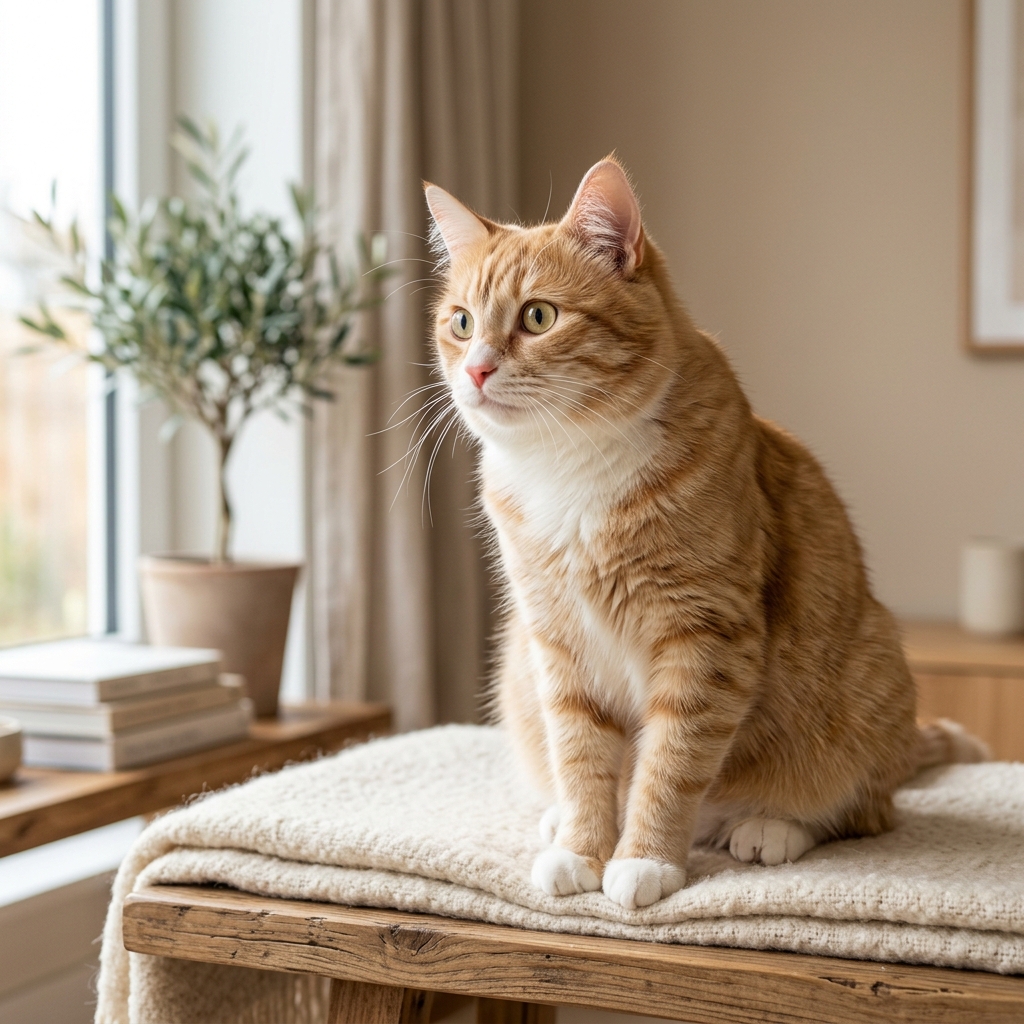
Choosing a caretaker or temporary home for your cat is a significant decision. Unlike dogs, who are often happy to meet new people and visit new places, cats are territorial and sensitive to environmental changes. To help you evaluate your options objectively and find a comfortable environment for your cat, we have compiled a checklist focused on safety, hygiene, and daily care protocols.
1. Environmental Safety and Hazard Checks
A cat-safe space must be free of physical hazards. When visiting or evaluating a potential boarding home or pet-sitting environment, look for these key safety features:
- Secure Windows and Doors: Ensure that all windows have secure screens or nets. Cats can squeeze through very small openings, and open upper-floor windows are a serious safety hazard.
- No Toxic Houseplants: Many common houseplants (such as lilies, monsteras, and English ivy) are highly toxic to cats. A cat-friendly environment should only contain safe, non-toxic plants.
- Secure Hiding Spots: While cats need places to hide, these spots should be safe and accessible to the caretaker in an emergency. Spaces behind washing machines or inside open wall cavities should be blocked off.
2. Hygiene and Sanitation Standards
Cats are naturally clean animals, and poor hygiene in their environment can lead to stress, behavior changes, or health issues. Pay attention to the following details:
- Litter Box Management: Litter boxes should be scooped at least twice a day. They should be placed in quiet, low-traffic areas with multiple exit routes, so cats do not feel trapped.
- Food and Water Hygiene: Bowls should be washed daily to prevent the buildup of bacteria and biofilms. Water should be kept fresh, and multiple water stations are always a plus.
- Overall Cleanliness: The environment should be free of strong chemical cleaners, perfumes, or air fresheners, as these scents can be overwhelming for a cat's sensitive nose.
3. Daily Care and Monitoring Protocols
It is important to ask the caretaker how they monitor your cat's health and wellbeing on a daily basis. A good caretaker will track the following details:
- Appetite and Hydration: The caretaker should notice how much your cat is eating and drinking, as changes in appetite can be an early sign of stress or illness.
- Litter Box Habits: Monitoring urination and bowel movements is crucial, especially to note any changes in their regular habits under stress.
- Behavior Changes: The caretaker should observe whether your cat is showing signs of anxiety (such as excessive grooming or prolonged hiding) or if they are relaxed and settling in.
4. Emergency Preparedness
Before leaving your cat, make sure you and the caretaker are prepared for emergencies. Your preparations should include:
- Veterinary Information: Provide your cat's medical records, vaccination history, and your primary vet's contact details.
- 24/7 Animal Hospital: Make sure the caretaker knows the location of the nearest 24/7 emergency veterinary hospital.
- Veterinary Care Planning: Talk to your caretaker about how medical decisions should be handled if your cat needs care while you are away, and make sure they know how to contact you.
Conclusion: A Pragmatic Approach
By focusing on safety, hygiene, and clear communication, you can make a well-informed choice for your cat's care. An organized, prepared approach helps ensure a safe, comfortable experience for your cat and peace of mind for you.
#catcare #catboarding #catsafety #petchecklist
April 2026 • 5 min read
Why Updates Matter More Than Most Cat Owners Realize

For many cat owners, leaving their pet in someone else's care triggers a quiet but persistent worry. Separation anxiety is a shared experience, felt by both pets and their owners. Because cats cannot speak, owner anxiety often revolves around the unknown: Is my cat hiding? Are they eating? Do they feel safe? In these situations, clear updates from a caretaker are not just a polite courtesy; they serve as a reassuring window into your cat's experience, providing peace of mind during your trip.
What Your Cat's Body Language Can Tell You
A photograph provides valuable information, but understanding a cat's body language helps you see how they are actually adjusting. When looking at photo updates, you can keep an eye out for these subtle signs of relaxation and comfort:
- The Direction of the Whiskers: Relaxed cats carry their whiskers softly, pointing out to the sides. Whiskers that are pulled back flat against the cheeks indicate stress or defense, while whiskers pointing forward show high curiosity or alertness.
- The Shape of the Eyes: Slow blinking, soft half-closed eyes, or round pupils in normal lighting indicate a relaxed state. Dilated, round pupils (in a bright room) or wide-open, staring eyes suggest anxiety or hyper-awareness.
- Ear Position: Ears pointed forward and slightly outward indicate a relaxed cat. Ears rotated to the sides ("airplane ears") or pinned flat against the head show worry, fear, or annoyance.
- Body Posture and Tail: A cat sleeping with their belly exposed, resting with loose limbs, or walking with their tail held high with a slight question-mark curl is showing comfort. A hunched body, a tail wrapped tightly around the paws, or tense shoulders suggest they are still acclimating.
The Value of Short Video Updates
While a photo captures a single moment, a short video clip provides a more complete picture of your cat's comfort. Watching how a cat moves, grooms, or interacts with their environment can be very reassuring:
- Purring and Kneading: A short clip of a cat purring, kneading their paws ("making biscuits"), or rubbing their cheeks against furniture shows they are feeling comfortable in their space.
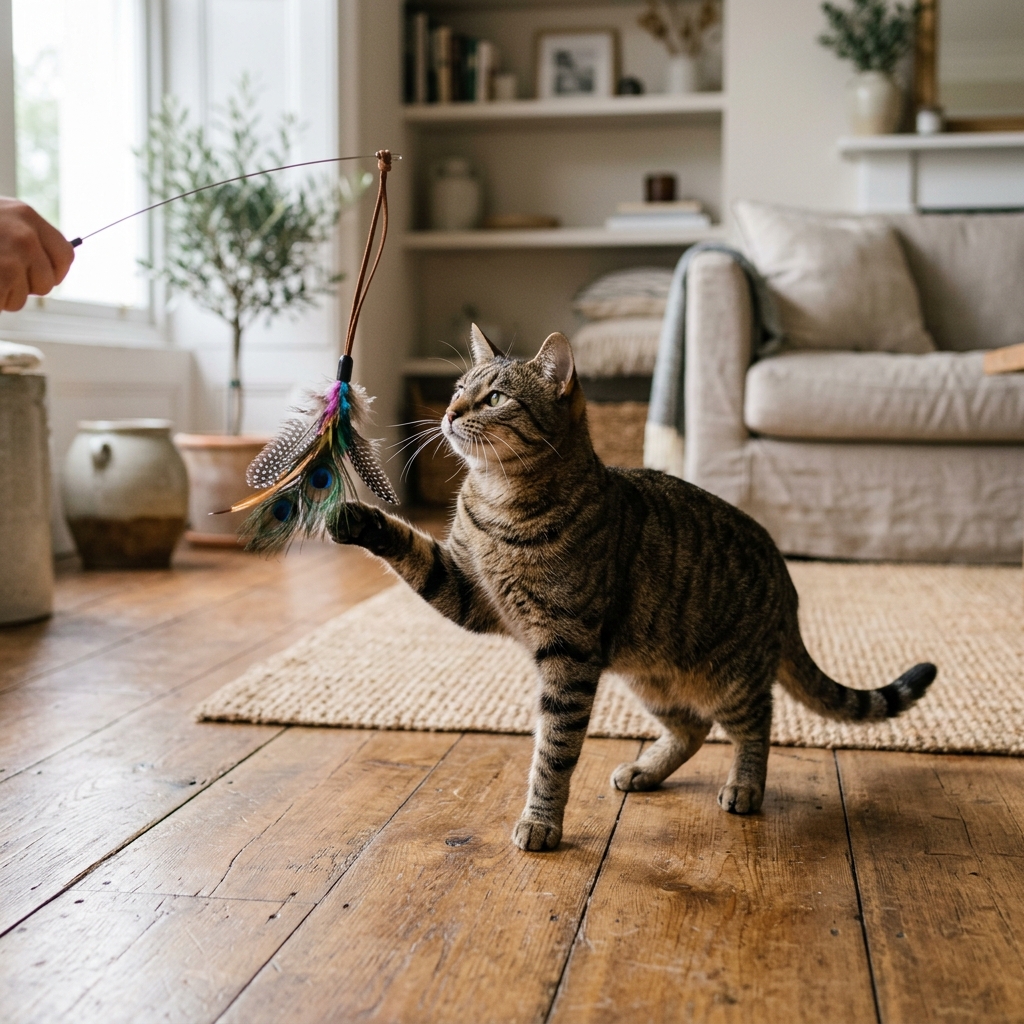
- Play and Curiosity: Seeing your cat batting at a toy, chasing a wand, or exploring a new corner with a high tail demonstrates active engagement, showing they are settling in well.
- Vocalizations: A soft, quiet meow when the caretaker greets them is often a positive, relaxed form of communication.
Establishing Healthy Communication Channels
Before your trip, talk to your caretaker about how often you would like updates. Some owners prefer a daily check-in with a few photos, while others are comfortable with updates every few days. Setting a clear schedule helps prevent worry, ensuring you can enjoy your travels knowing that no news means everything is going smoothly.
Clear updates help build trust and strengthen the connection between owner, caretaker, and cat. This supportive approach turns travel into a more comfortable and reassuring experience for everyone involved.
#catupdates #catcare #peaceofmind #petcommunication